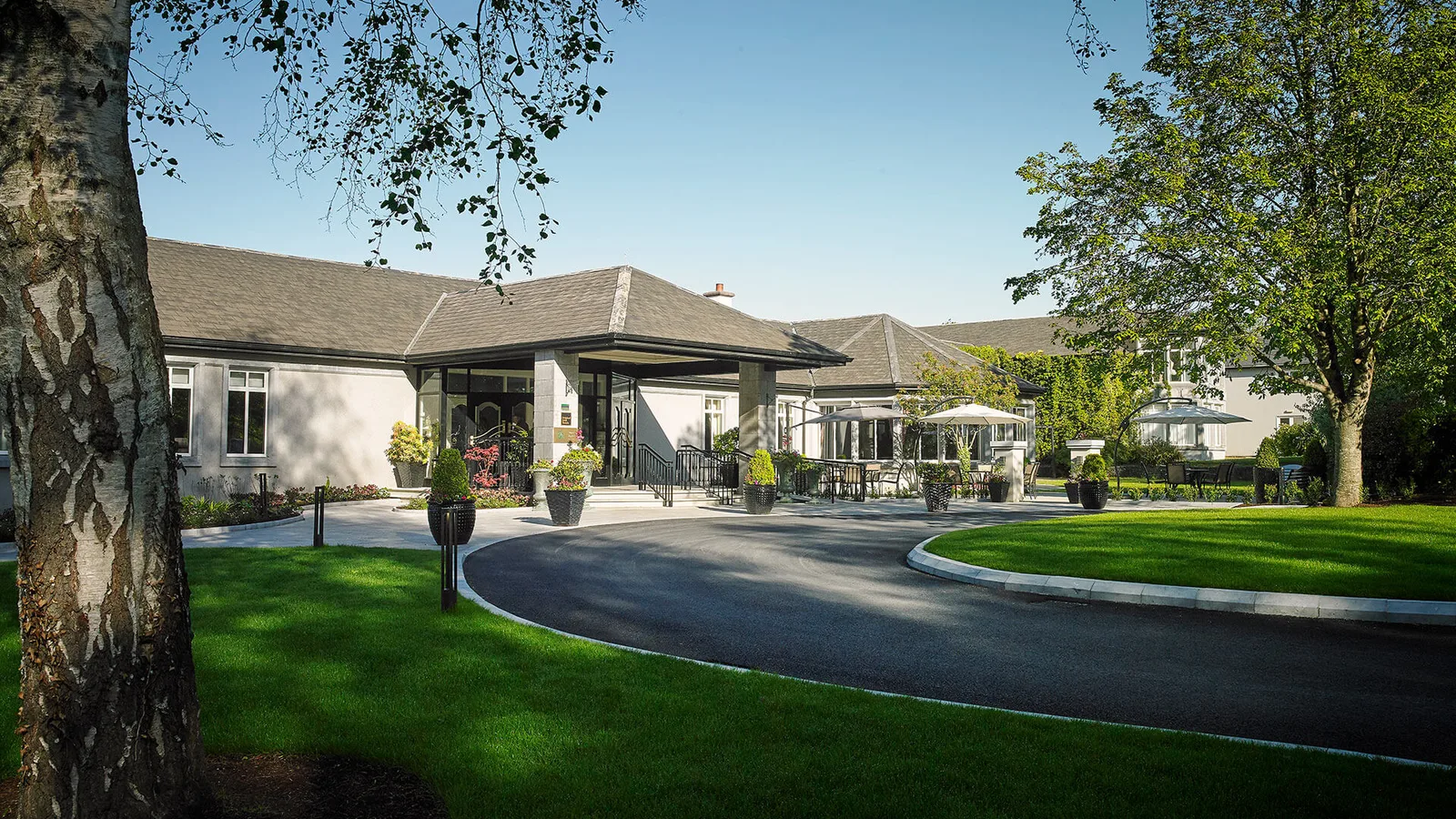
A hotel never fully sleeps — but it shouldn't consume as if it's full at 4am. Woodlands Hotel used Advisor to expose its out-of-hours consumption patterns and target operational changes, cutting night-time energy usage by 30%.
Woodlands Hotel achieved a 30% reduction in night-time energy usage by using Advisor analytics to identify out-of-hours consumption patterns and drive targeted operational changes. In a 24-hour business, the small hours are where waste hides — and where clear data turns into quick, low-risk savings.

Hotels run around the clock, so it’s easy for overnight consumption to drift upward unnoticed — plant left running, systems that never throttle back, loads that don’t need to be on when the building is quiet. Without granular, time-of-day data, that waste is invisible on a monthly bill.
Woodlands needed to see its consumption profile through the night, distinguish genuinely necessary overnight load from waste, and act on the difference without affecting the guest experience.
Advisor made the overnight profile visible, so the team could separate necessary load from waste and target operational changes precisely.
The cheapest energy is what a building burns when nobody's there. Make the overnight load visible and most of it simply switches off.
Lead Engineer, Full Stack Energy
By identifying out-of-hours consumption patterns and acting on them, Woodlands Hotel cut night-time energy usage by 30% — a low-risk saving that didn’t touch the guest experience and recurs every single night.
It’s a clean example of how visibility translates directly into savings in a 24-hour business: once you can see the overnight profile, the waste is obvious, and the fixes are operational rather than capital-intensive.
In a 24-hour operation, the overnight profile is where the easy savings hide. Let's put your consumption on the clock.