Most commercial fit-outs end up in a skip. This project treats a building's interior as a dynamic material bank — using Bluetooth 5.1 location tracking and IoT to keep a real-time digital twin of every modular component, so it can be reconfigured and reused instead of thrown away.
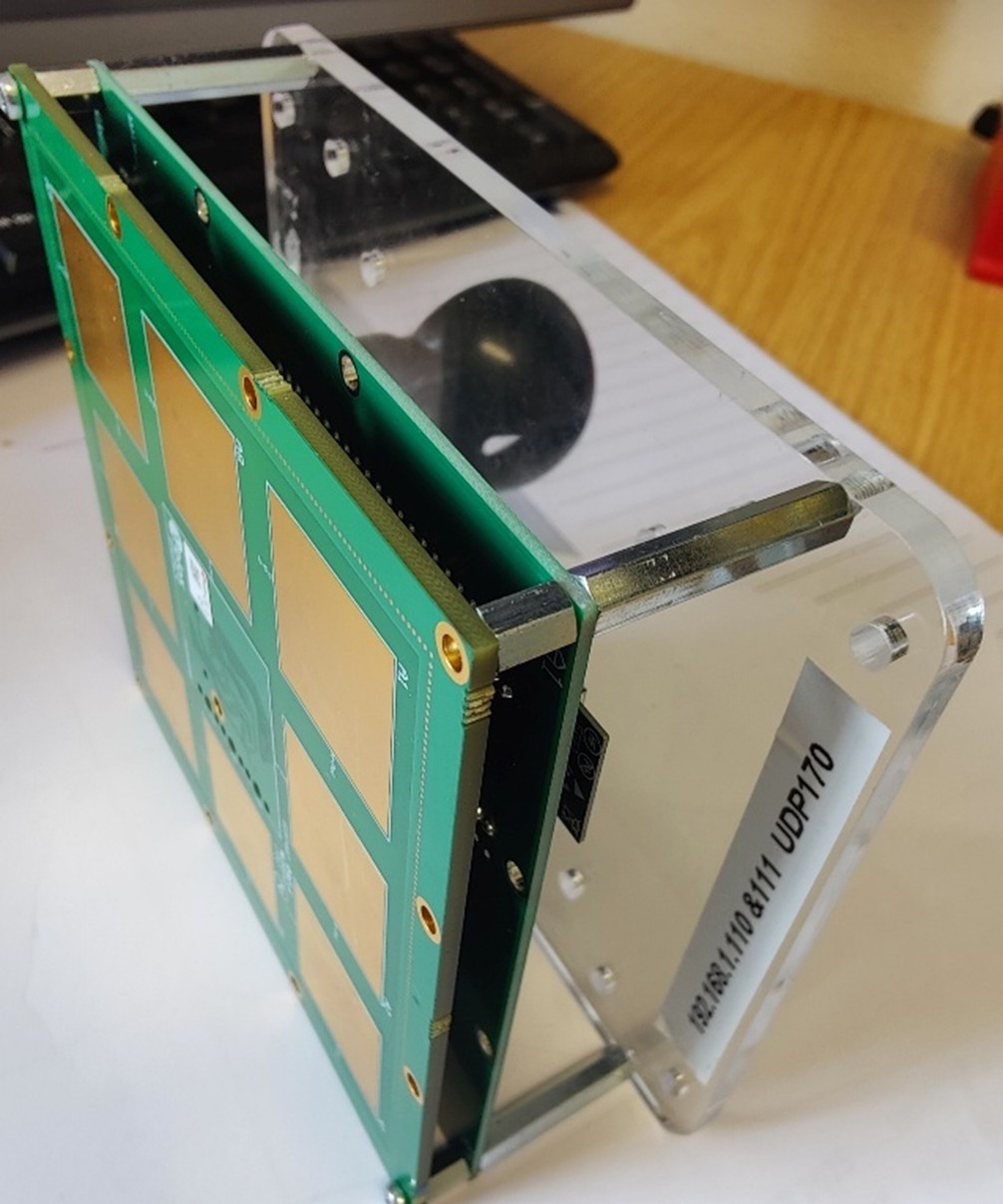
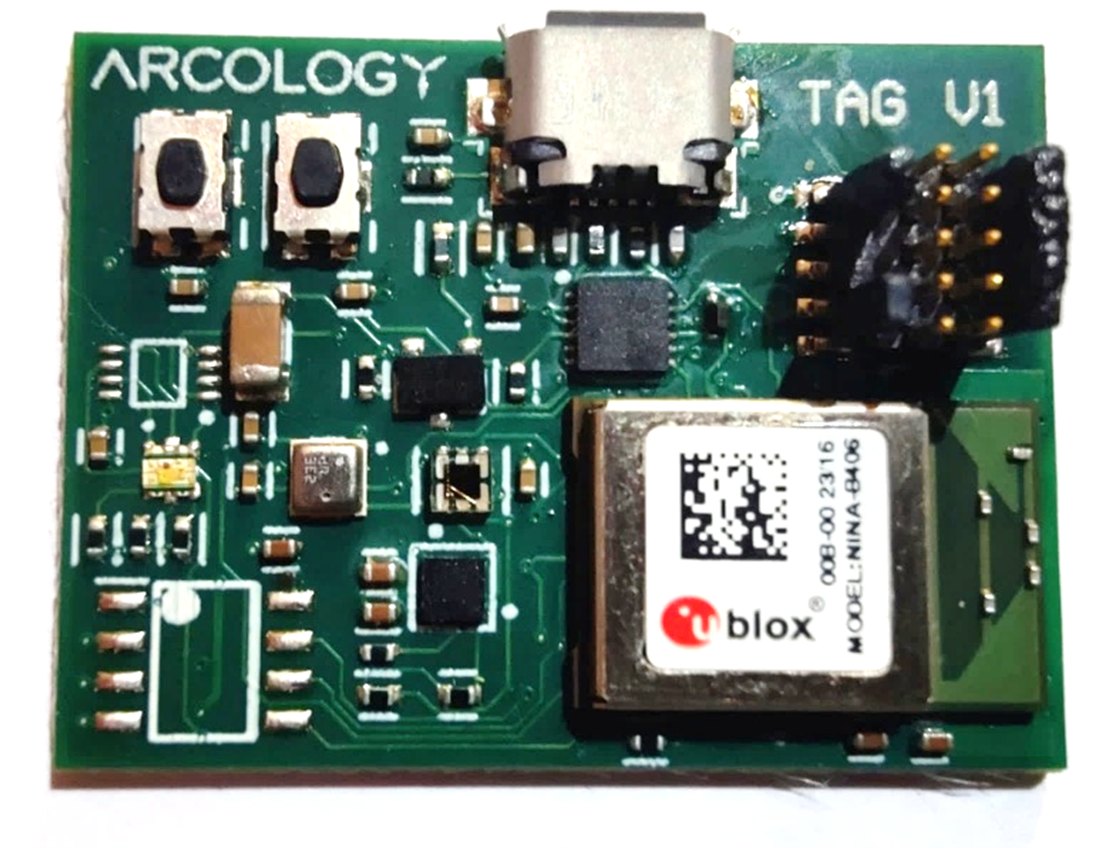
Full Stack Energy partnered with an interior architecture consultancy on a groundbreaking modular, data-driven interior construction system for real-time component tracking, sustainability and dynamic adaptability. It leverages Bluetooth RTLS (Real-Time Location Systems), IoT sensors and 5G connectivity to treat building interiors as dynamic material banks — digitally managing components to maximise reuse, minimise waste and enhance spatial flexibility. Full Stack Energy built the custom Bluetooth 5.1 CTE tags, anchor systems and positioning engine that create accurate real-time digital twins of the modular interior, including detailed component metadata.
Commercial building interiors carry a sustainability problem most people never see. Traditional fit-outs generate high levels of waste and embodied carbon because they’re effectively disposable; they’re inflexible when occupancy or operational needs change; and the components are hard to track for reuse or recycling at the end of their life.
Underlying all of that is a data gap: there’s no real-time spatial and environmental analytics to inform adaptive reuse or sustainability initiatives. You can’t reuse what you can’t locate, identify and account for.
Working hand in glove with the client, the goal was a robust, innovative way to digitally track, manage and optimise modular interior components at scale — turning the interior from a one-time fit-out into a living, reusable material bank.
The system rests on three pillars — the client’s modular framework, our custom Bluetooth 5.1 location tracking, and a 5G/IoT data layer — together producing an accurate real-time digital twin of the interior.
The moment you can locate and identify every component in a room, the interior stops being a fit-out and becomes an inventory — one you can reconfigure, reuse and carbon-account.
Lead Engineer, Full Stack Energy
The solution delivers enhanced circularity — component-level traceability and reuse that significantly reduces waste — alongside real-time adaptability, so interiors can be quickly reconfigured to match evolving occupancy and operational needs. The digital twin provides accurate, real-time insight into the embodied carbon and lifecycle sustainability of individual components, and tracking everything digitally streamlines construction logistics and reduces installation times.
It’s a transformative step for sustainable interior construction, aligning with EU policy such as the Green Deal and the Circular Economy Action Plan, and giving building stakeholders a tangible path towards digitalisation, decarbonisation and circularity. The project received support from TARGET-X, co-funded by the European Commission through the HORIZON EUROPE programme.
People hear “indoor positioning” and picture finding their car in a basement. This was something more interesting: locating and identifying every partition, door and light so a building’s interior could be reused instead of binned. The Bluetooth 5.1 CTE direction-finding is the clever bit, but the point is circularity, not coordinates.
Putting embodied-carbon metadata on each component’s digital twin is what turns a location system into a sustainability tool. Once you know not just where something is but what it’s made of and what it cost the planet, “can we reuse this?” becomes a question you can actually answer.
Bluetooth 5.1's Constant Tone Extension (CTE) enables direction-finding precise enough to locate individual interior components, not just rooms. Custom tags and anchor points feed a positioning engine that builds an accurate real-time digital twin of every partition, door and light — the foundation for reuse rather than disposal.
Each component's digital twin carries metadata — manufacturing date, material composition and embodied carbon — so the interior becomes a reusable material bank rather than a disposable fit-out. Knowing where something is, what it's made of and what it cost the planet turns "can we reuse this?" into a question you can actually answer.
Over a dedicated 5G network, real-time data from the RTLS tags and environmental IoT sensors is securely transmitted to the cloud, enabling adaptive control of the building environment and live spatial and sustainability insight. The project was supported by TARGET-X, co-funded through the EU's HORIZON EUROPE programme.
Real-time location plus the right metadata turns "stuff" into a reusable, carbon-accounted inventory. We build the hardware and the platform. Let's talk.