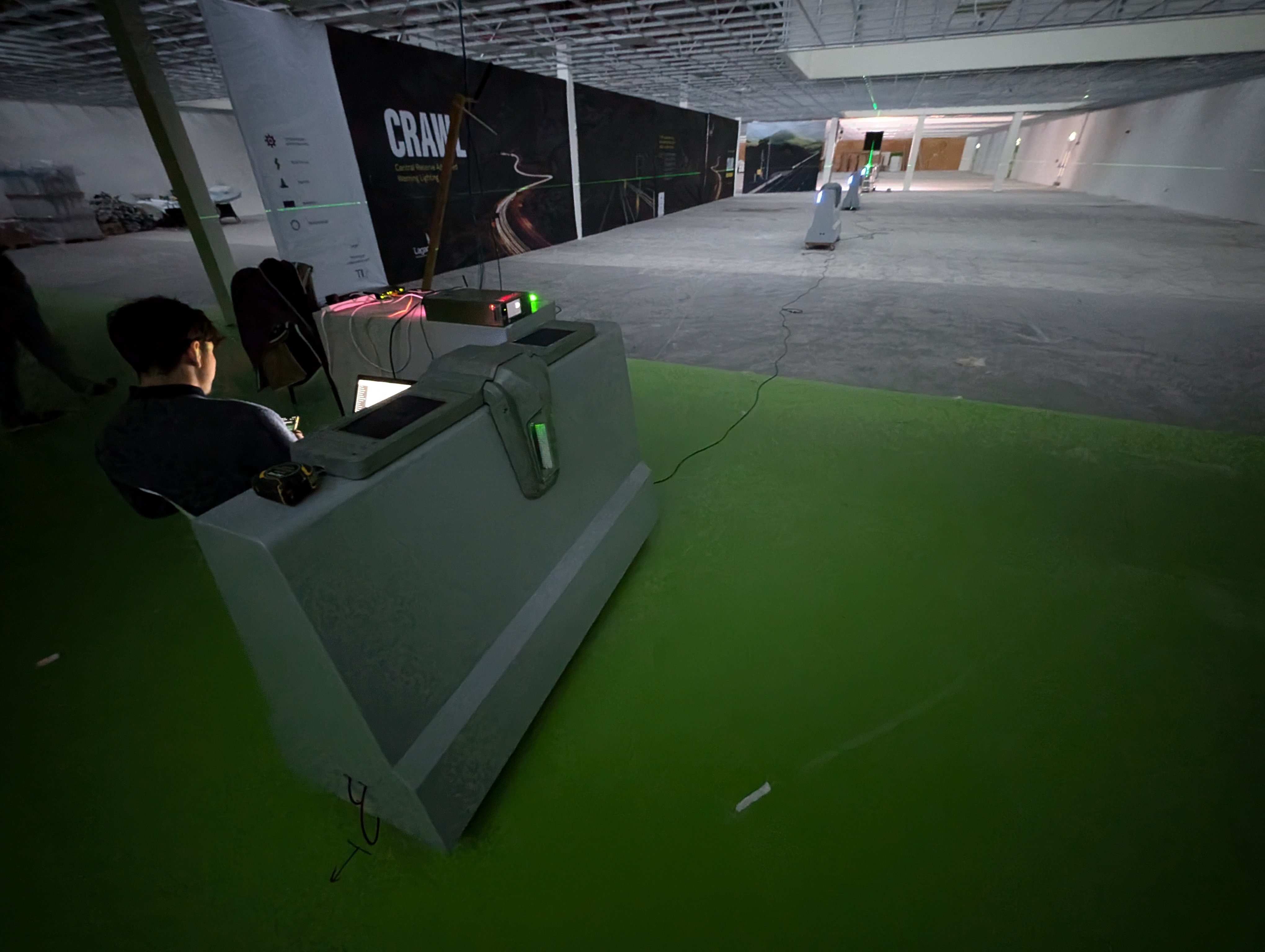
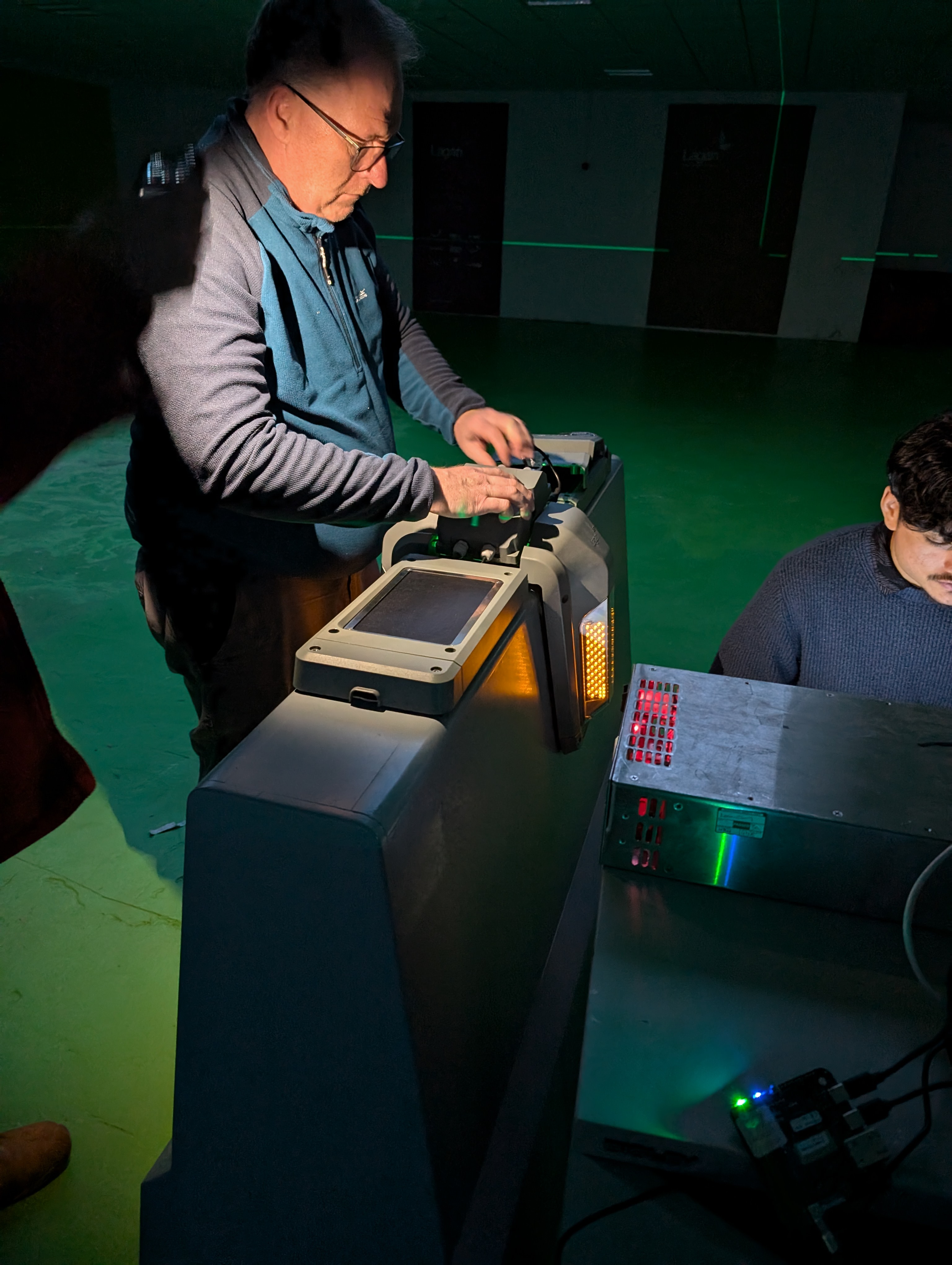
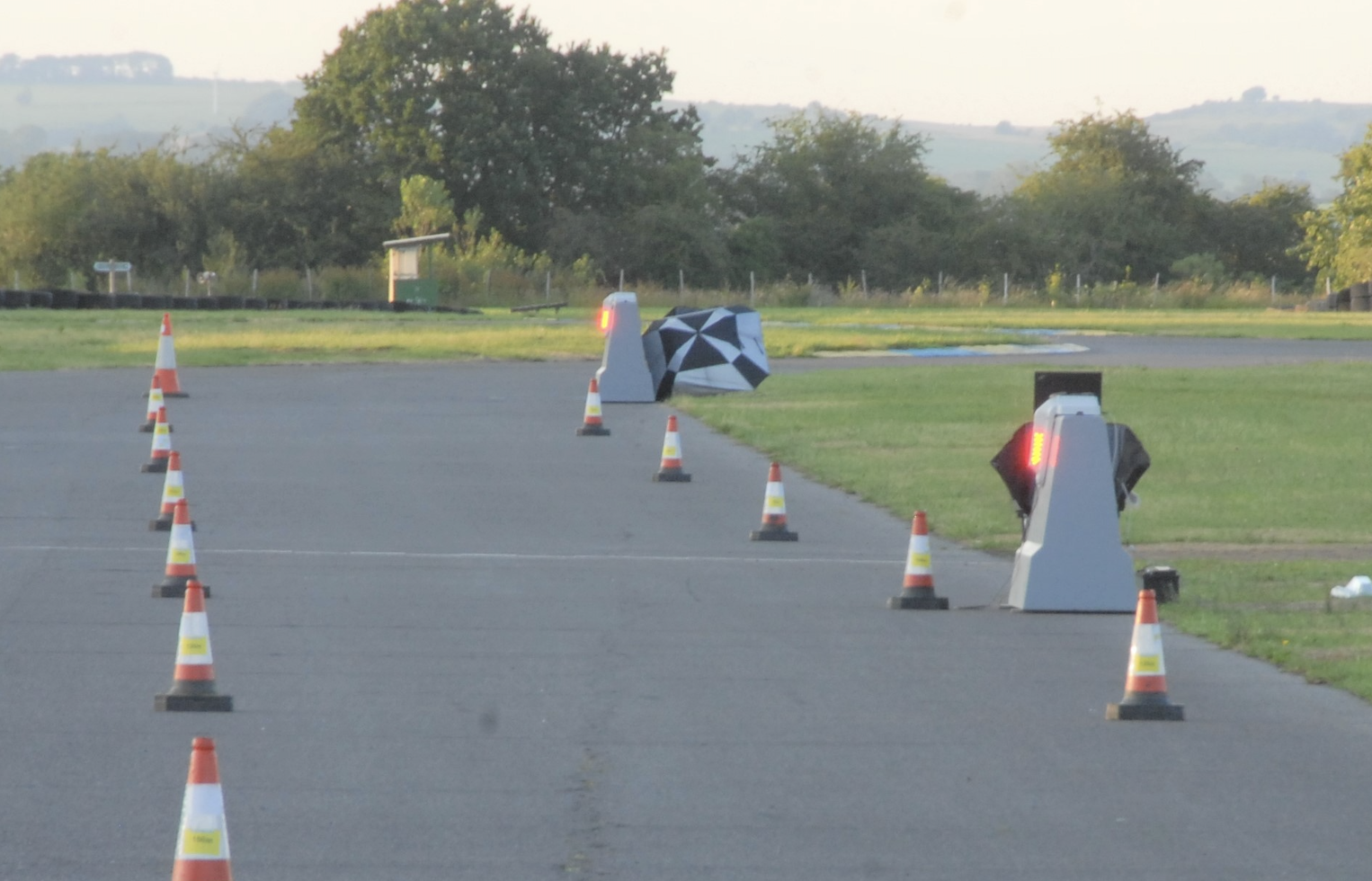
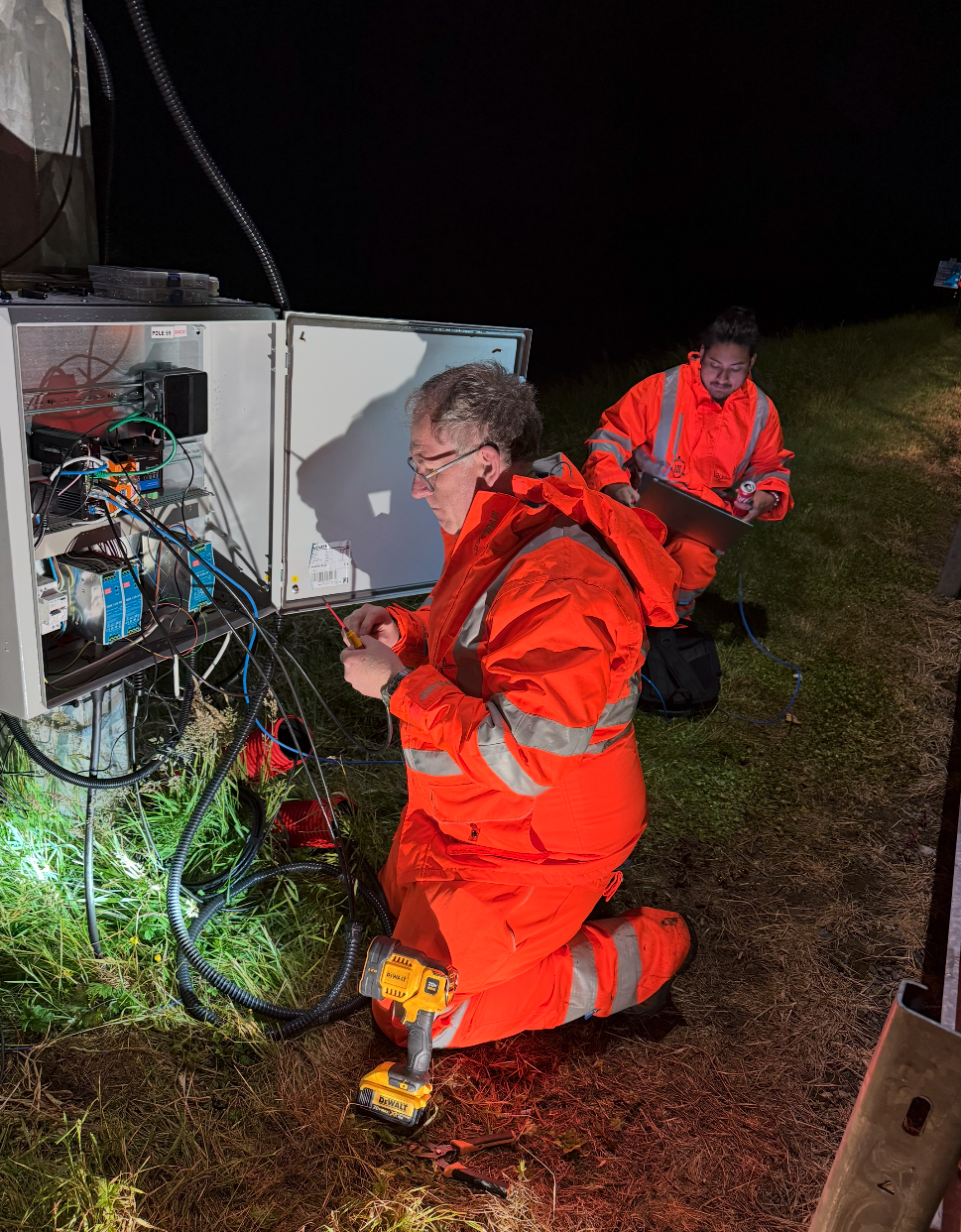
A national roads programme needed to cut the risk of secondary incidents on high-speed networks — the more dangerous collisions that follow a breakdown, crash, or sudden change in weather. We built the software intelligence layer that responds in real time, at the roadside, without waiting on a control room.
A national roads programme needed to reduce the risk of secondary incidents on its high-speed network — the collisions that follow an initial breakdown, crash, or sudden change in weather. Conventional gantry-based signage only warns at fixed points, and routing every decision through a central control room adds delay at exactly the moment a fast response matters most. Full Stack Energy designed and built the software intelligence layer that turns raw roadside inputs into real-time, automated warnings along the entire route.
A national roads programme needed to reduce the risk of secondary incidents on high-speed networks — the far more dangerous collisions that follow an initial breakdown, crash, or sudden change in weather.
Conventional gantry-based signage warns at fixed points only, and routing every decision through a central control room introduces delays at exactly the moment a fast response matters most.
We designed and built the software intelligence layer that turns raw roadside inputs into real-time, automated warnings along the entire route.
A control room can only act as fast as the decision reaches it. Push the intelligence to the roadside, and the warning is already lit by the time a call would have gone out.
Lead Engineer, Full Stack Energy
A continuous, route-wide warning capability that detects and responds to incidents and adverse weather in real time — giving the operator direct control of the network, protecting first responders and road users, and reducing reliance on fixed infrastructure.
The result is a flexible, standards-aligned platform the client can extend as sensing technology and cost profiles evolve.
The engagement spanned the full stack — physical sensors, edge and cloud data processing, decision logic, and integration into live operational systems — the kind of cross-disciplinary problem that sits between any single engineering team. It’s what serious engineering for complex infrastructure looks like.
It reduces the risk of secondary incidents on high-speed road networks — the collisions that follow an initial breakdown, crash, or sudden change in weather. Conventional gantry signage only warns at fixed points, and routing every decision through a central control room adds delay exactly when a fast response matters most.
Processing was moved off centralised infrastructure into hardened roadside cabinets, so detection logic runs locally and drives LED and variable-message warnings in real time — interfacing with the national control centre without depending on it for every decision.
Incident-handling procedures are defined in a non-proprietary, human-readable format, so the client can adapt or add use cases without re-coding. The system is aligned to open ITS standards with custom and third-party APIs, proven through integration with an established weather-data provider.
We work across sensors, edge and cloud, decision logic and integration — the cross-disciplinary problems that sit between any single engineering team. Let's talk.