There’s a shape that turns up in almost every capacity plan, and most people never notice what it actually is.


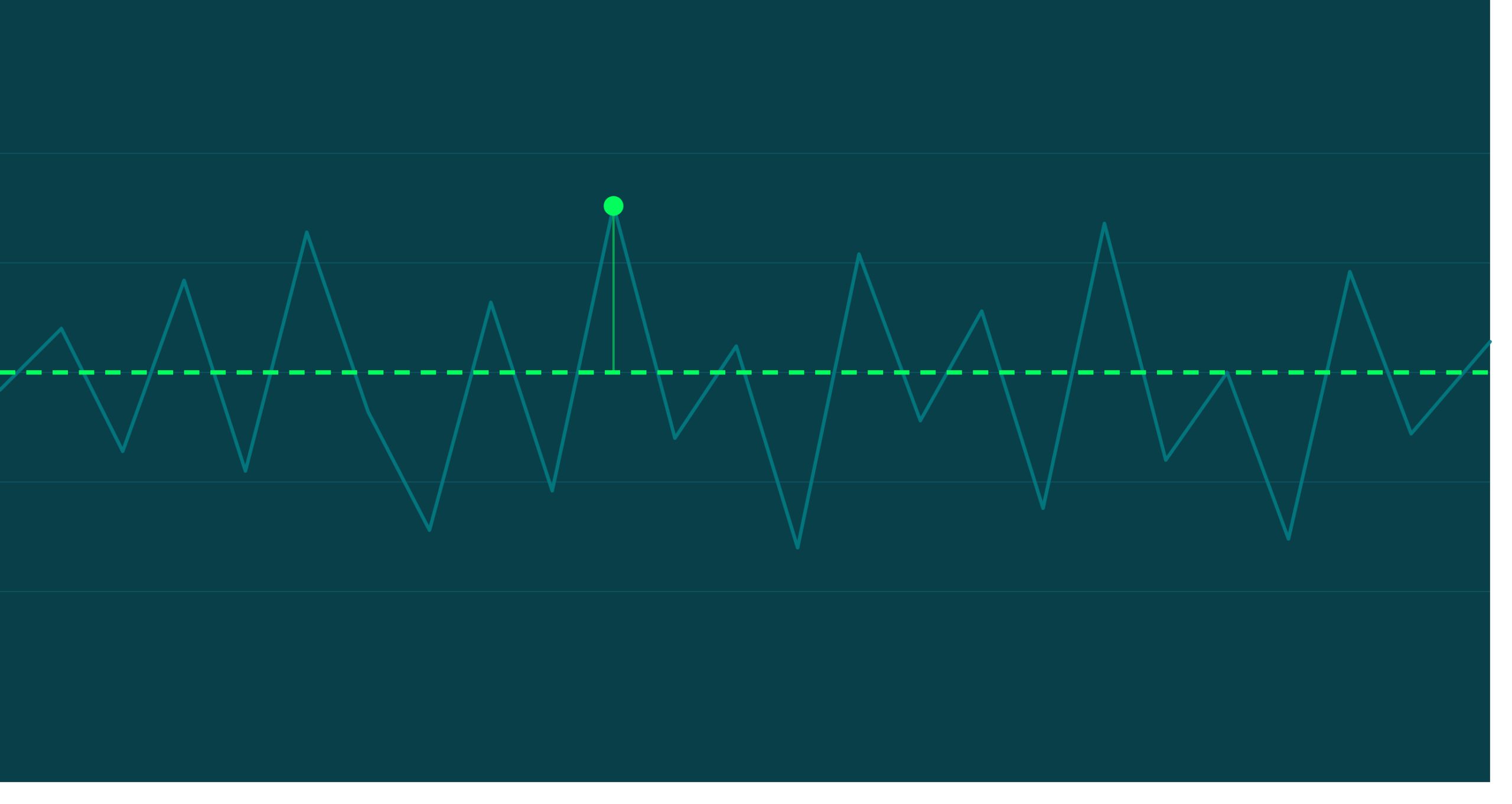
Take a year of demand — half-hourly if you have it — and sort the values from largest to smallest. Plot them against the running count of intervals and you get the load-duration curve. The height is demand, the width is time, and your eye goes straight to the tall, thin bit on the left: the peak.
That curve is really a survival function. It tells you, for any level of demand, the fraction of the year you spend above it. And it carries a lesson that the annual total — the single megawatt-hour figure most plans open with — completely hides.
The annual total is just mean demand multiplied by the hours in the year. It's a statement about the average hour, and it says nothing about the peak. Start a capacity plan from that number and you've sized for an average day — a day that, on a spiky enough profile, never actually occurs. You end up perfectly provisioned for demand that never turns up, and short exactly when it counts.
My colleague Stuart Woolley laid this out recently, working from the supply side: for the grid, the tall sliver on the left of that curve is where the money and the risk live, and you have to build for it. I want to read the same curve from the other end — because for anyone sizing their own capacity rather than the grid's, it carries the opposite lesson.
The private version of the red sliver
Look again at that tall, thin peak. It's the megawatts you build for a handful of hours a year and pay to keep idle for the rest — a gym membership used twice a year. At grid level, there's no choice: being short at the peak means the lights go out, so the system carries that ruinously expensive tail because the alternative is unacceptable.
At site level, the logic quietly inverts.
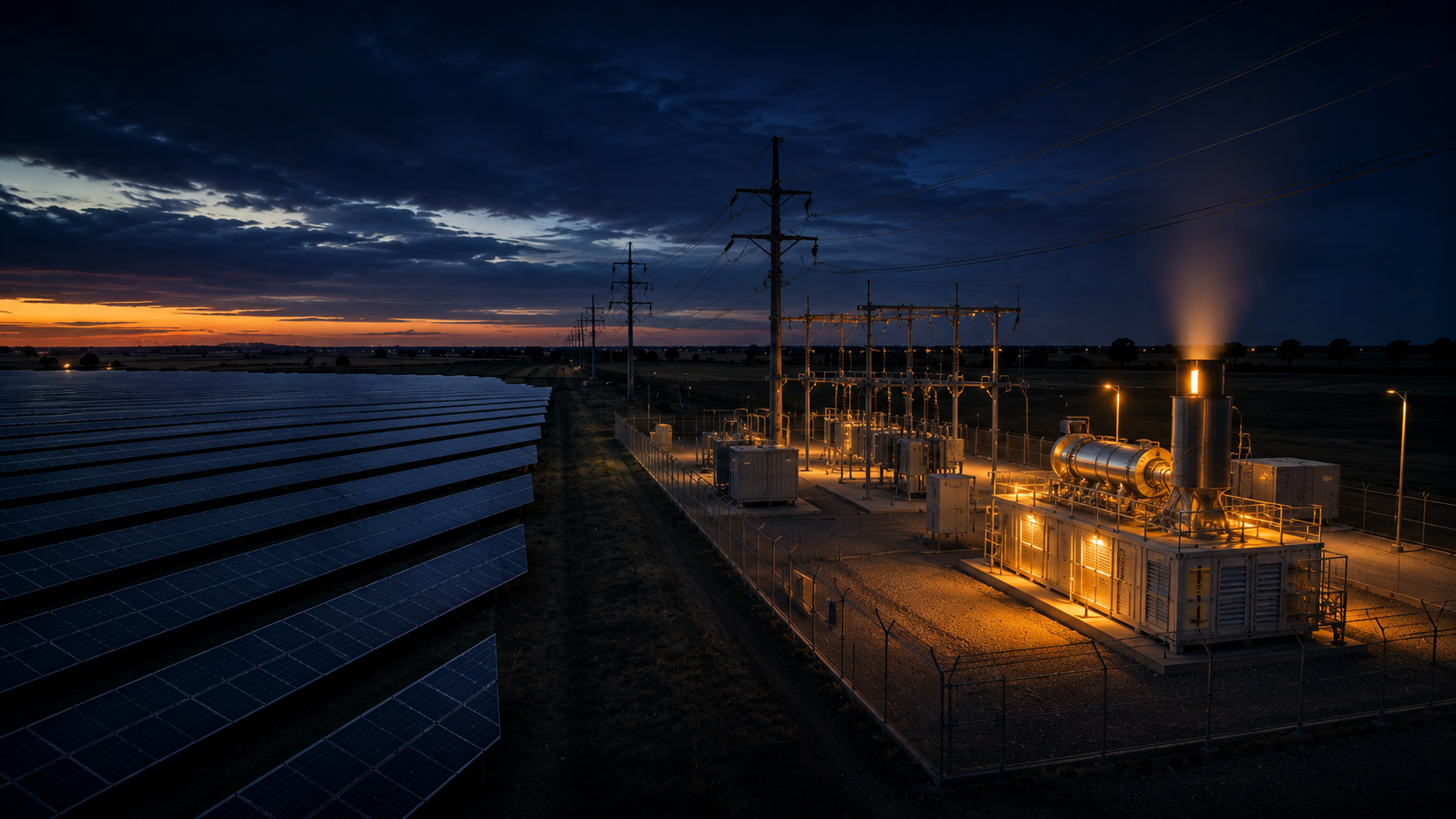
When a business sizes its connection, its transformer, its on-site generation or its battery to its own peak, it's building a private version of that same sliver — capacity provisioned for the tallest hour of its year and idle for the other 8,700-odd. And here's the part worth sitting with: the grid has already built that headroom. The entire reason the system carries expensive peaking capacity is so that individual sites don't have to. Size your own plant for your own peak, and you're paying — in capital and in standing charges — to duplicate insurance the grid already provides.
Short at the grid is a failure. Short at your site is a decision.
The difference is what happens when you're short.
For the grid, being short at peak is a failure. For a site, it's very often just a decision — shift the load, shed it, store against it, or simply pay the peak price for those few hours. A demand you hit for twenty hours a year is not an infrastructure problem. It's a management problem, and management is an order of magnitude cheaper than concrete and copper.
So the right question was never "what's the peak?" It's a set of questions about the shape of the whole curve:
How often does your peak actually occur, and what does demand look like the other 99% of the time? Size for the shape, not the ceiling.
What does the peak genuinely cost you if you don't build for it — in charges, in risk, in lost output? Sometimes serious. Often trivial. You can't tell without measuring.
How much of that peak is real, fixed load, versus flexible load you're treating as fixed out of habit?
Answer those and the sizing decision changes shape entirely. You build for the demand you actually have, and you manage the handful of hours that poke above it — for a fraction of the cost of building to meet them.
The grid isn't built for the average day. It's built for the tail — so that you don't have to be.
Contact us.
Posts.
 08.13.26
The Grid Access You’ve Already Paid For
 07.30.26
Built for the Tail, So You Don’t Have to Be
 07.23.26
Prove it before you buy it
- 06.12.26
The Dam in Your Battery
 05.26.26
Webinar: Seeing the Whole Elephant
 05.20.26
15 GW of Solar Is Hiding on Britain’s Warehouse Rooftops
 05.01.26
Finding the Right Businesses for Solar
-
04.21.26
A Dam Builder’s Yardstick in the Lone Star State